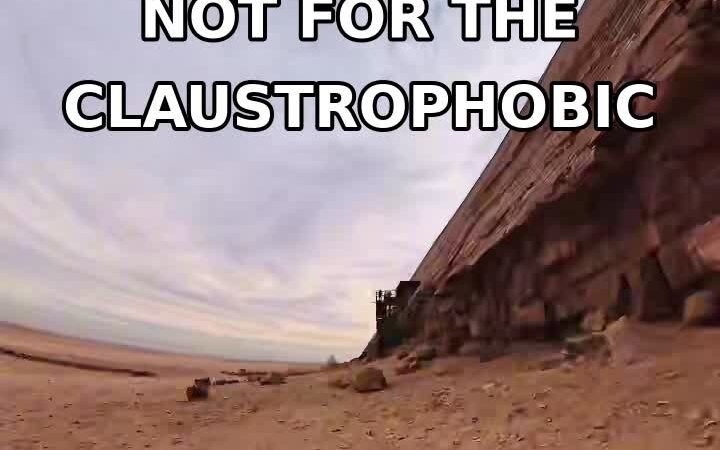
When I posted my sneak-peek video from inside the Bent Pyramid, I captioned it with a warning: NOT for the claustrophobic. The comments did not disappoint. “Nope.” “Heck no.” And my favourite, from someone I suspect was holding their breath: “Thank you for doing this so I never have to.”
Fair. But if you’re planning Egypt and wondering whether you can actually go inside this strange, crooked, 4,500-year-old experiment — and whether you should — here’s the full, honest explanation from someone who’s been down there.
Why is it bent, anyway?
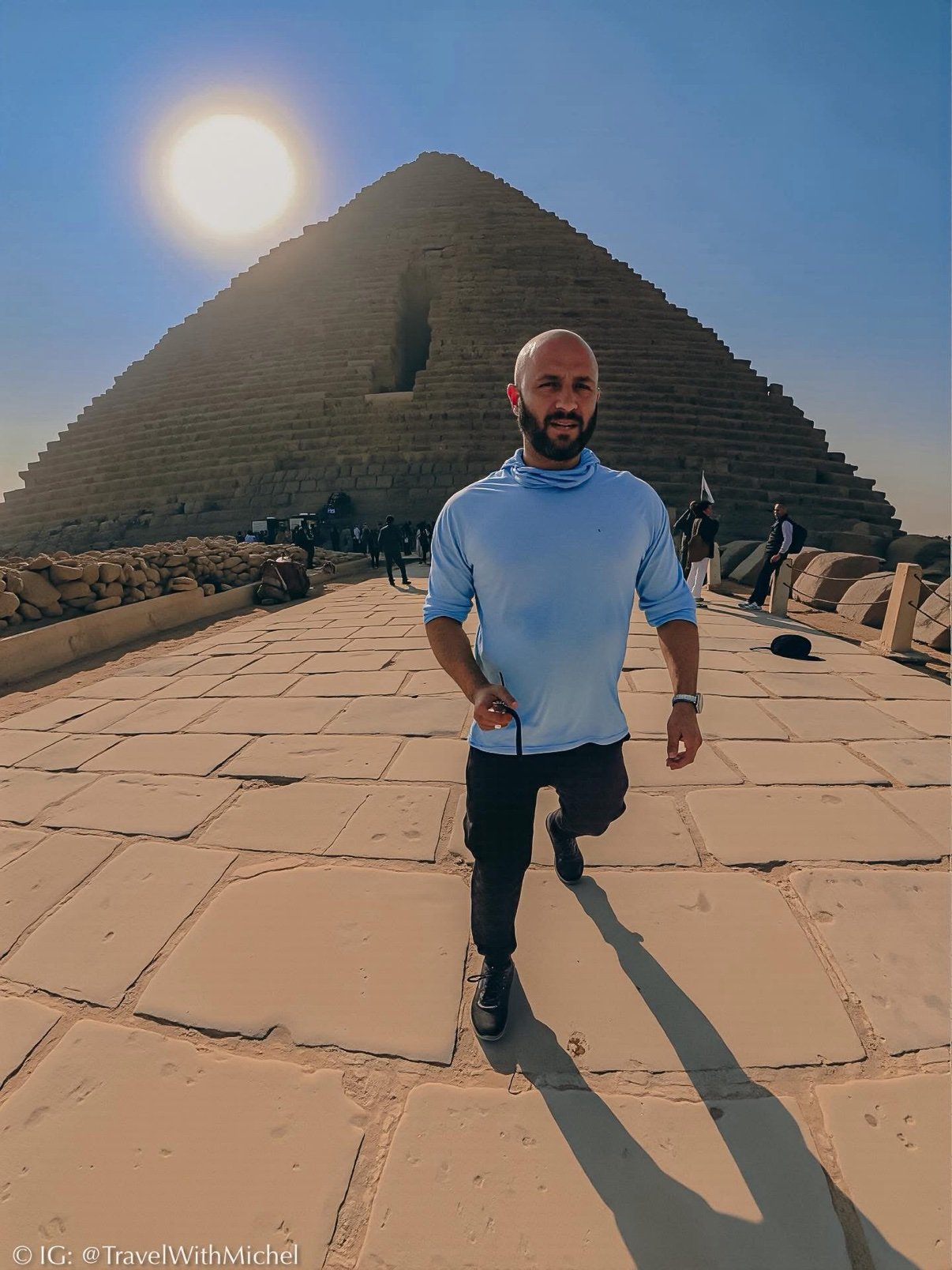
Look at the Bent Pyramid from the desert floor and you can read its story right off the silhouette. The bottom half rises at one steep angle — and then, partway up, the slope visibly changes its mind and finishes at a gentler one. The builders, working for Pharaoh Sneferu, appear to have corrected course mid-construction. Whether the original angle proved too ambitious for the structure or the plan simply changed, the result is a pyramid with a bend in it — a design revision preserved in stone for roughly four and a half millennia.
It’s the missing link of pyramid building: you can see Egyptian engineering learning in real time, on its way to the true pyramids that came after. Standing in front of it feels less like visiting a monument and more like reading someone’s working notes.
Yes, you can go inside. Here’s what that’s like.
The Bent Pyramid, out at Dahshur — a much quieter necropolis than Giza — is open to enter, and far fewer visitors make the trip than to the famous trio up the road. When I went in, it felt like I had a 4,500-year-old building almost to myself. That solitude is part of the magic. It’s also part of the fear factor, so let’s walk it honestly:
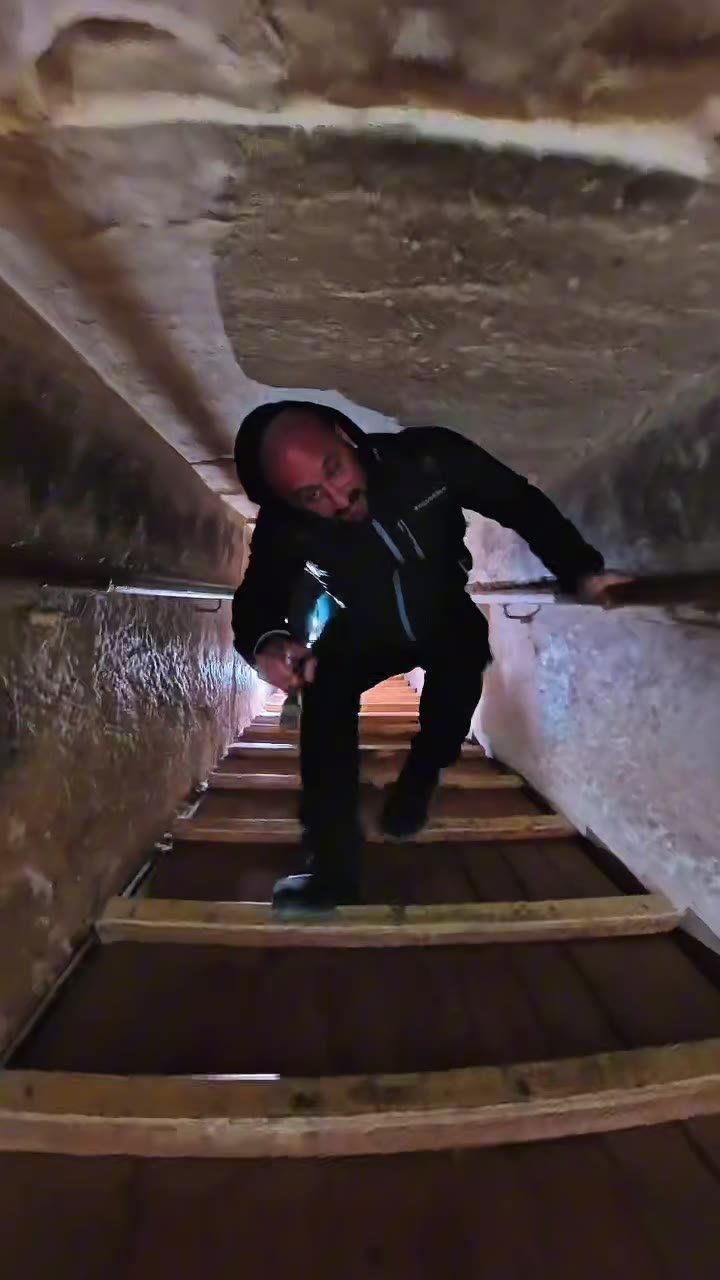
You duck through a low opening and start down — because entering a pyramid means descending into it. The corridor is long, steep and narrow, and the posture is non-negotiable: bent over, half-crouched, shuffling down in hot, still air that smells of old stone and dust. This is not a stroll between exhibits. It’s a climb in reverse, in a tunnel built by people who were not thinking about your knees, your back, or your personal space — because they were building a tomb for eternity, not an attraction.
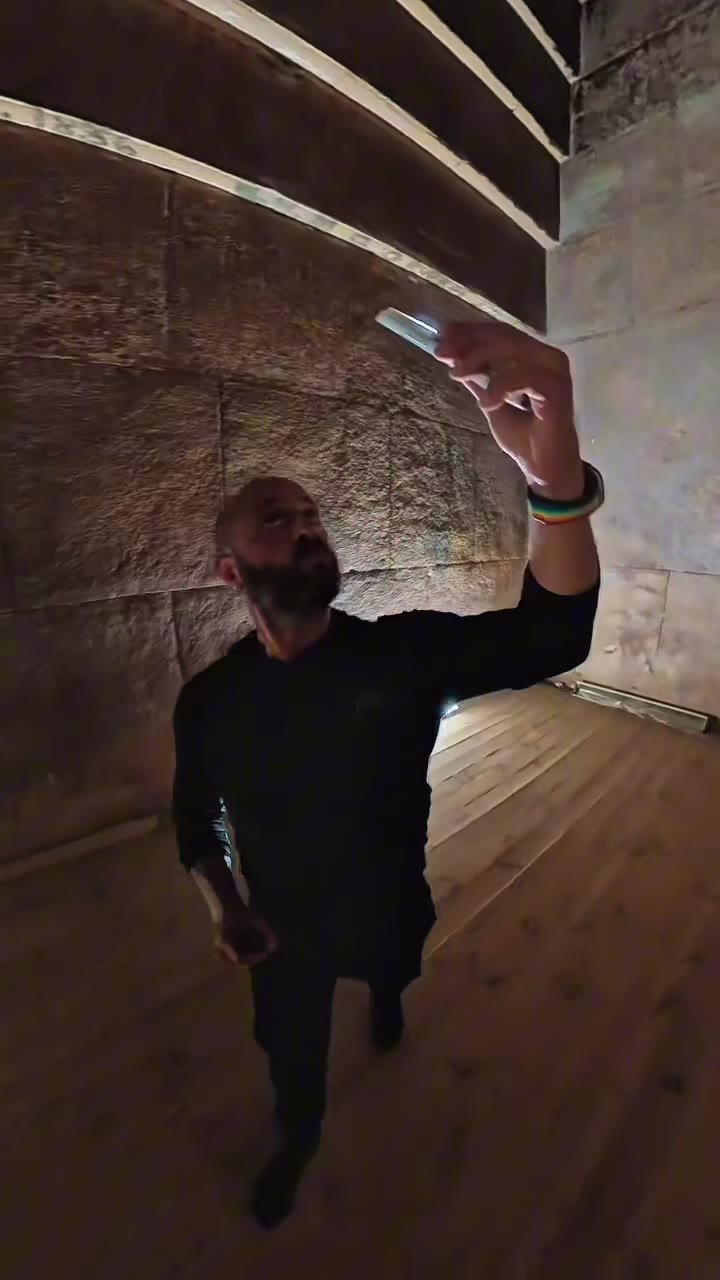
Deeper in, the passage gives way to chambers with ceilings that soar unexpectedly high after all that crouching — the architecture exhales, and so do you. There’s no treasure waiting. No gold, no sarcophagus on display. What there is: silence, cool stone, and the dawning realisation that you are standing inside one of the oldest large stone buildings on Earth, put there by hand.
Then you climb back up the same corridor, which your legs will have opinions about.
My honest verdict: the physical squeeze is real but manageable for most reasonably fit people, and the payoff is outsized. Of all the interiors I’ve done in Egypt, this one felt the rawest — the least polished, the most like actually exploring rather than touring.
Bent Pyramid vs. Red Pyramid: which should you enter?
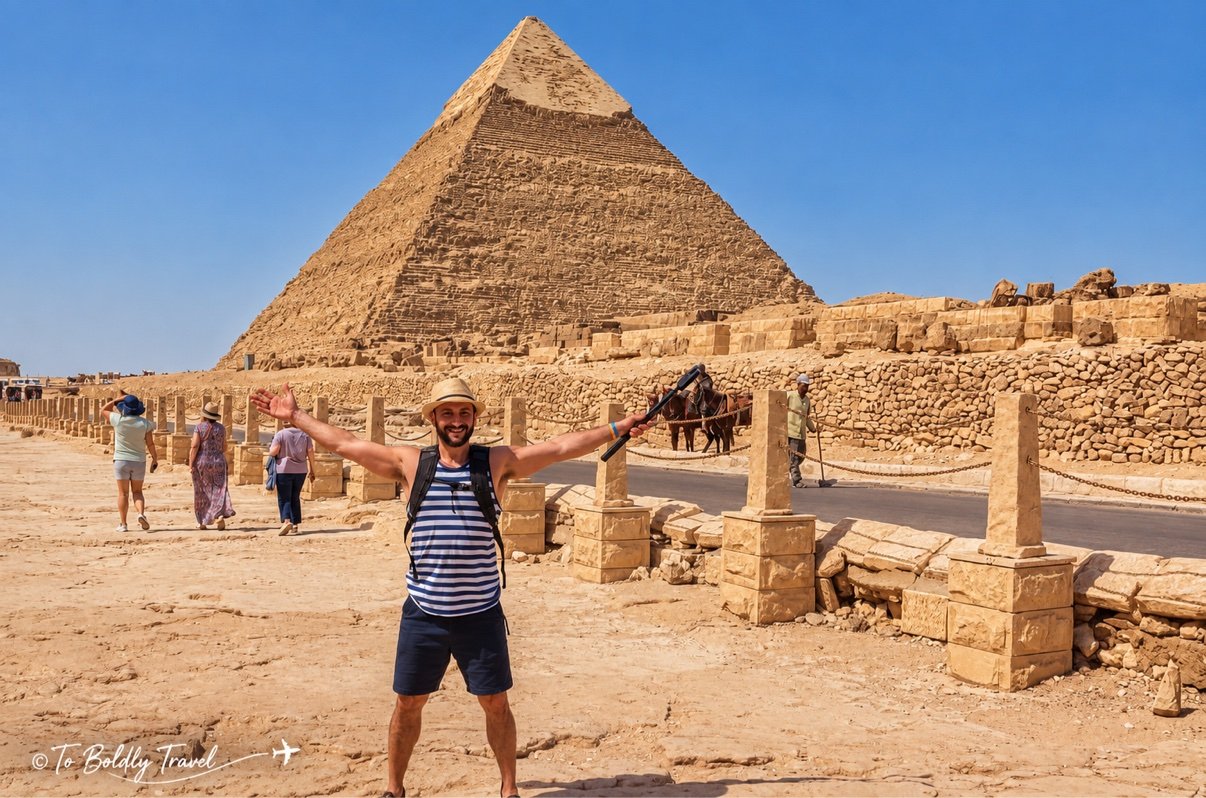
Since both stand at Dahshur, this is the real question — and the local answer is: you’ve come this far, do both if your legs allow.
- The Bent Pyramid is the character. The weird silhouette outside, the long steep crouch inside, the sense of an experiment. Fewer people, deeper bragging rights.
- The Red Pyramid, a short distance away, is Sneferu’s follow-up — the first successful true pyramid, the rehearsal that became Giza’s blueprint. Its interior descent is also serious work, but the vibe is different: this is the perfected design, confident and clean.
If you only have the energy for one interior, I send most people to the Bent Pyramid — it’s the one they’ll describe at dinner for the rest of the trip. If ancient engineering fascinates you, the pair together tells a story neither can tell alone: first the mistake, then the masterpiece.
[AFFILIATE: Viator Egypt tours — Dahshur, Saqqara and Memphis day trips]
Practical tips
- Pair Dahshur with Saqqara and Memphis for one efficient day out of Cairo — most travellers do this combination, and it turns “the other pyramids” into the best day of the trip.
- Go early. The desert heat builds fast, and the corridor inside does not get fresher as the day goes on.
- Skip it if you have serious claustrophobia, bad knees, or a bad back. This is sincere advice, not a dare — the descent is long, low and one-way-committed once you’re in it.
- Bring water and use your phone light to appreciate the chamber stonework. It also helps to have a guide or driver who knows the site — the necropolis is spread out and blissfully free of the Giza crowds. [AFFILIATE: GetYourGuide Egypt excursions]
- Don’t let Giza be your whole pyramid story. The Bent Pyramid is the one your fellow travellers back home won’t have done.
FAQ
Can you really go inside the Bent Pyramid?
Yes. The Bent Pyramid at Dahshur is open for visitors to enter, descending its long interior corridor to the chambers inside — when I visited, it was blissfully uncrowded compared to Giza.
How claustrophobic is it, honestly?
It’s a real factor: a long, low, steep corridor where you walk bent over in warm, still air. If enclosed spaces genuinely panic you, admire it from outside — the silhouette is half the experience anyway. If you’re merely nervous-but-curious, most people find it intense but doable.
Is the Bent Pyramid better than the Great Pyramid interior?
Different, not better. The Great Pyramid is grander in scale. The Bent Pyramid feels rawer and stranger — a failed draft you can climb inside, with a fraction of the crowd. I found it more memorable; your mileage may vary.
Keep travelling with me
Egypt rewards the travellers who go one site further. For more honest, been-there guides — and the cruise deals I vet — join the free To Boldly Travel newsletter and never miss a cruise deal again: https://toboldlytravel.beehiiv.com — and grab my free Cruise Packing Checklist while you’re there. This is Michel, reporting live.